Vietnam’s Quiet LGBT Politics
What the absence of Pride parades says about Vietnam’s LGBT politics as the country enters 2026?


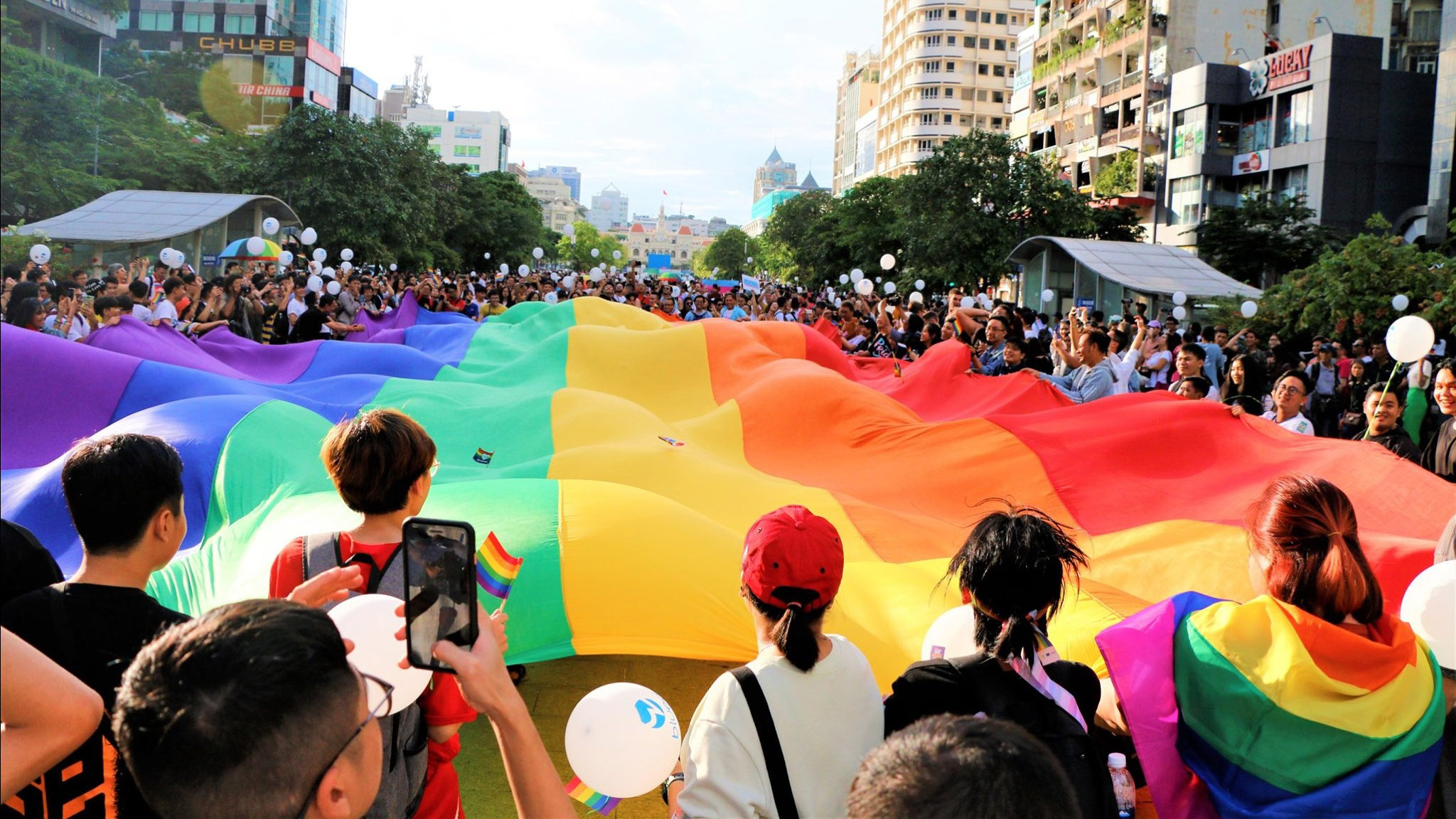
For the first time since their inception in 2011, in-person Pride events failed to celebrate their flagship “rainbow parade” through downtown Hanoi and Ho Chi Minh City in 2025, raising concerns that the Vietnamese government may be reversing its progress on LGBT rights.
Last September, organizers of VietPride in Ho Chi Minh City abruptly announced the cancellation of their annual Pride parade and at least five other LGBT-themed events, citing unspecified external obstacles. In the capital, Hanoi Pride also quietly scaled back the scope of its activities compared to previous years. Pundits saw these setbacks as warning signs of both a tightening political environment for LGBT advocacy and a squeeze on civil society in the one-party state under the Communist Party of Vietnam (CPV).
But the revocation of the 2025 Pride parades does not necessarily indicate an outright shift in the government’s long-standing approach to LGBT rights. Instead, it reflects a nuanced effort to tighten the public sphere, especially at a time when the external turmoil could incite domestic unrest. This approach has emerged amid a broader wave of youth-led demonstrations that have unsettled several governments across South and Southeast Asia. At the same time, the global spread of anti-gender sentiments – amplified by the Donald Trump’s return to the White House in 2025 – as well as the rise of nationalism in Vietnam, appear to have reinforced Hanoi’s cautious posture.
Put differently, the government’s handling of large-scale public events like Pride marches seems to indicate a priority on political control rather than a full-scale crackdown on the LGBT community. This stance aligns with Communist Vietnam’s priority of upholding political stability, social cohesion, and national unity as it advances its vision of an “era of national rise” and prepares for the upcoming Party Congress scheduled for January 19-25.
For the CPV, LGBT rights have not fundamentally conflicted with party ideology, and the gay movement has posed no threat to regime survival (at least so far). Over the past decade, gay rights activists and civil society organizations have generally been tolerated by the authorities, enjoying sufficient space to advocate LGBT-friendly policies and raise public awareness. As a result, the government has enacted several progressive policies toward the LGBT community, such as the social acceptance of same-sex weddings (though without legal recognition) and the adoption of a global LGBT health standards that urges medical professionals to stop treating homosexuality as a disease.
Social acceptance of LGBT people in Vietnam has become increasingly positive. A 2022 VnExpress survey found that 61 percent of over 2,700 Vietnamese respondents were willing to accept their child’s gender identity as long as their child was happy. Similarly, a 2023 Pew Research Center survey reported that 65 percent of Vietnamese adults support same-sex marriage. Whereas, public attitudes towards transgender people are also evolving positively, with nine in ten Vietnamese expressing comfort with transgender individuals. In general, younger generations and urban residents tend to be more sympathetic to LGBT people.
Despite increasing social acceptance, Vietnam has made little progress toward official recognition of same-sex marriage. A decade ago, the country was cited as a potential frontrunner in Southeast Asia for the legalization of same-sex marriage. Today, however, it trails regional counterparts such as Taiwan and Thailand, both of which have moved ahead with legal recognition of same-sex marriage. The absence of concrete legal reforms has further raised suspicions among activists about how far the government is prepared to advance LGBT rights. As the government has yet to pass a Law on Gender Identity, marriage equality remains in legal limbo.
Vietnam’s inertia on marriage equality and the cancellation of last year’s Pride marches have created uncertainty about the future of the country’s LGBT activism.
Yet, there are reasons for cautious optimism as Vietnam enters 2026.
As Vietnam assumed its third term as a member of the United Nations Human Rights Council (UNHRC) in October 2025, Hanoi is likely to face greater scrutiny and higher expectations regarding human rights protection, including for LGBT communities. While UNHRC membership does not mandate legal reform, it does increase reputational and diplomatic incentives to align with universal human rights standards.
Plus, 2026 may be marked as a pivotal year ushering in a new era for Vietnam, with vison of becoming a modern industry, upper-middle-income status by 2030, and a developed, high-income nation by 2045. To realize these goals, a new government, which will be formed to lead the country for the next five years after the 14th National Congress of CPV, needs to focus on attracting and utilizing human resources to drive economic growth and development. Central to this strategy is the creation of comprehensive legal frameworks and regulations that promote equality, diversity, and inclusion, enabling Vietnam to tap into the full potential of its people. In this regard, legalizing same-sex marriage and promoting broader social inclusion help contribute meaningfully to Vietnam’s national development.
Hence, policies that enhance protections and equality for LGBT communities would help reinforce Vietnam’s commitment to ensuring “all human rights for all people,” consistent with its pledges to prevent violence and discrimination, strengthen protection for vulnerable groups, and promote gender equality. Now it remains to be seen whether the upcoming government will be able to seize this opportunity.
For the first time since their inception in 2011, in-person Pride events failed to celebrate their flagship “rainbow parade” through downtown Hanoi and Ho Chi Minh City in 2025, raising concerns that the Vietnamese government may be reversing its progress on LGBT rights.
Last September, organizers of VietPride in Ho Chi Minh City abruptly announced the cancellation of their annual Pride parade and at least five other LGBT-themed events, citing unspecified external obstacles. In the capital, Hanoi Pride also quietly scaled back the scope of its activities compared to previous years. Pundits saw these setbacks as warning signs of both a tightening political environment for LGBT advocacy and a squeeze on civil society in the one-party state under the Communist Party of Vietnam (CPV).
But the revocation of the 2025 Pride parades does not necessarily indicate an outright shift in the government’s long-standing approach to LGBT rights. Instead, it reflects a nuanced effort to tighten the public sphere, especially at a time when the external turmoil could incite domestic unrest. This approach has emerged amid a broader wave of youth-led demonstrations that have unsettled several governments across South and Southeast Asia. At the same time, the global spread of anti-gender sentiments – amplified by the Donald Trump’s return to the White House in 2025 – as well as the rise of nationalism in Vietnam, appear to have reinforced Hanoi’s cautious posture.
Put differently, the government’s handling of large-scale public events like Pride marches seems to indicate a priority on political control rather than a full-scale crackdown on the LGBT community. This stance aligns with Communist Vietnam’s priority of upholding political stability, social cohesion, and national unity as it advances its vision of an “era of national rise” and prepares for the upcoming Party Congress scheduled for January 19-25.
For the CPV, LGBT rights have not fundamentally conflicted with party ideology, and the gay movement has posed no threat to regime survival (at least so far). Over the past decade, gay rights activists and civil society organizations have generally been tolerated by the authorities, enjoying sufficient space to advocate LGBT-friendly policies and raise public awareness. As a result, the government has enacted several progressive policies toward the LGBT community, such as the social acceptance of same-sex weddings (though without legal recognition) and the adoption of a global LGBT health standards that urges medical professionals to stop treating homosexuality as a disease.
Social acceptance of LGBT people in Vietnam has become increasingly positive. A 2022 VnExpress survey found that 61 percent of over 2,700 Vietnamese respondents were willing to accept their child’s gender identity as long as their child was happy. Similarly, a 2023 Pew Research Center survey reported that 65 percent of Vietnamese adults support same-sex marriage. Whereas, public attitudes towards transgender people are also evolving positively, with nine in ten Vietnamese expressing comfort with transgender individuals. In general, younger generations and urban residents tend to be more sympathetic to LGBT people.
Despite increasing social acceptance, Vietnam has made little progress toward official recognition of same-sex marriage. A decade ago, the country was cited as a potential frontrunner in Southeast Asia for the legalization of same-sex marriage. Today, however, it trails regional counterparts such as Taiwan and Thailand, both of which have moved ahead with legal recognition of same-sex marriage. The absence of concrete legal reforms has further raised suspicions among activists about how far the government is prepared to advance LGBT rights. As the government has yet to pass a Law on Gender Identity, marriage equality remains in legal limbo.
Vietnam’s inertia on marriage equality and the cancellation of last year’s Pride marches have created uncertainty about the future of the country’s LGBT activism.
Yet, there are reasons for cautious optimism as Vietnam enters 2026.
As Vietnam assumed its third term as a member of the United Nations Human Rights Council (UNHRC) in October 2025, Hanoi is likely to face greater scrutiny and higher expectations regarding human rights protection, including for LGBT communities. While UNHRC membership does not mandate legal reform, it does increase reputational and diplomatic incentives to align with universal human rights standards.
Plus, 2026 may be marked as a pivotal year ushering in a new era for Vietnam, with vison of becoming a modern industry, upper-middle-income status by 2030, and a developed, high-income nation by 2045. To realize these goals, a new government, which will be formed to lead the country for the next five years after the 14th National Congress of CPV, needs to focus on attracting and utilizing human resources to drive economic growth and development. Central to this strategy is the creation of comprehensive legal frameworks and regulations that promote equality, diversity, and inclusion, enabling Vietnam to tap into the full potential of its people. In this regard, legalizing same-sex marriage and promoting broader social inclusion help contribute meaningfully to Vietnam’s national development.
Hence, policies that enhance protections and equality for LGBT communities would help reinforce Vietnam’s commitment to ensuring “all human rights for all people,” consistent with its pledges to prevent violence and discrimination, strengthen protection for vulnerable groups, and promote gender equality. Now it remains to be seen whether the upcoming government will be able to seize this opportunity.
Từ khoá: LGBT Vietnam VietPride Pride LGBT Politics
.jpg)