Multilateralism Remains Central to Vietnam’s Foreign-Policy Playbook
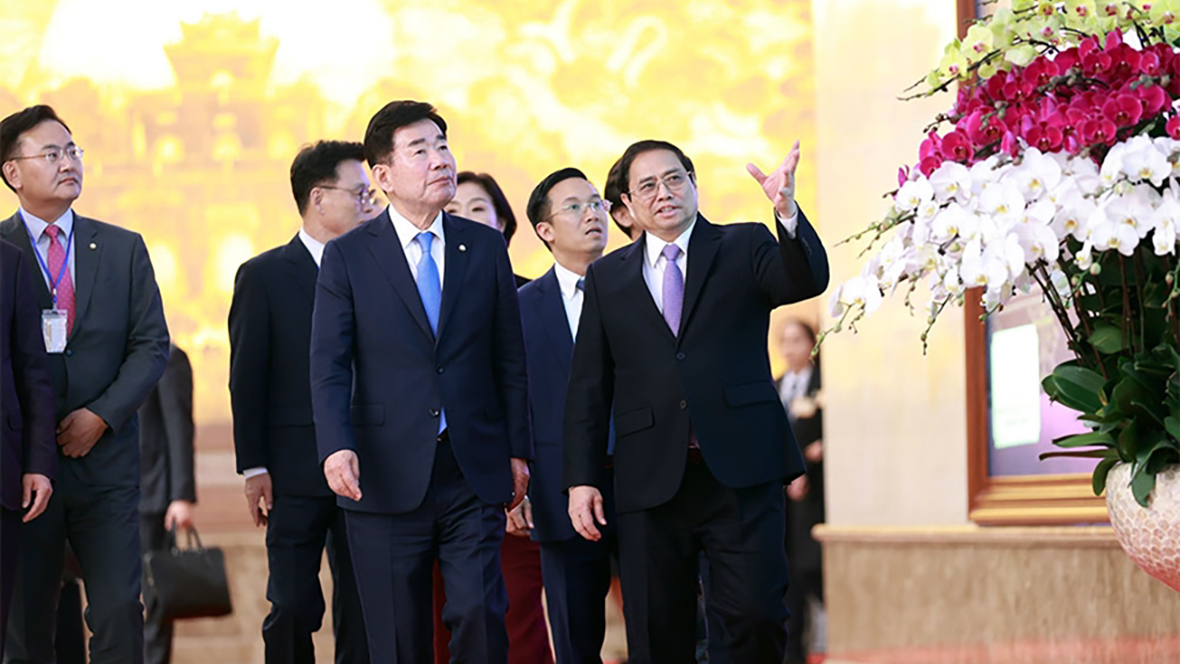
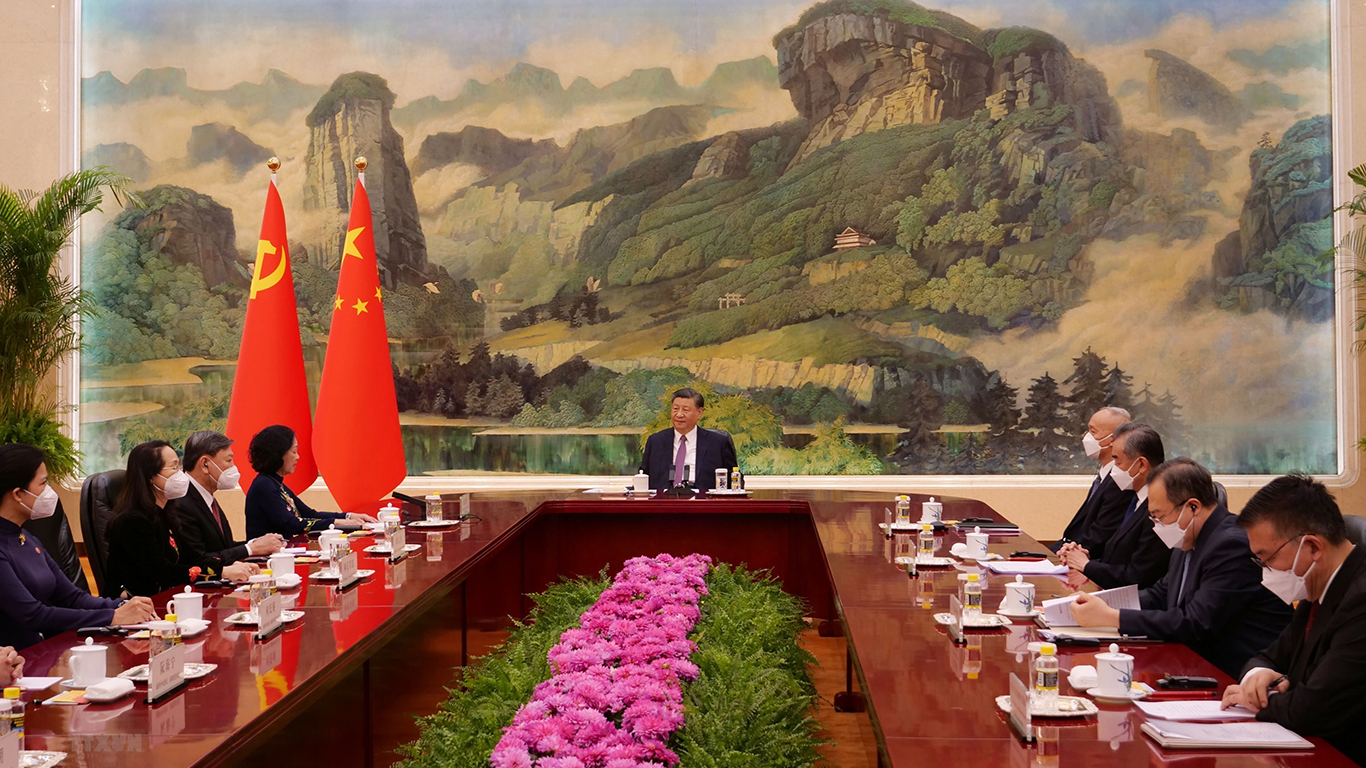
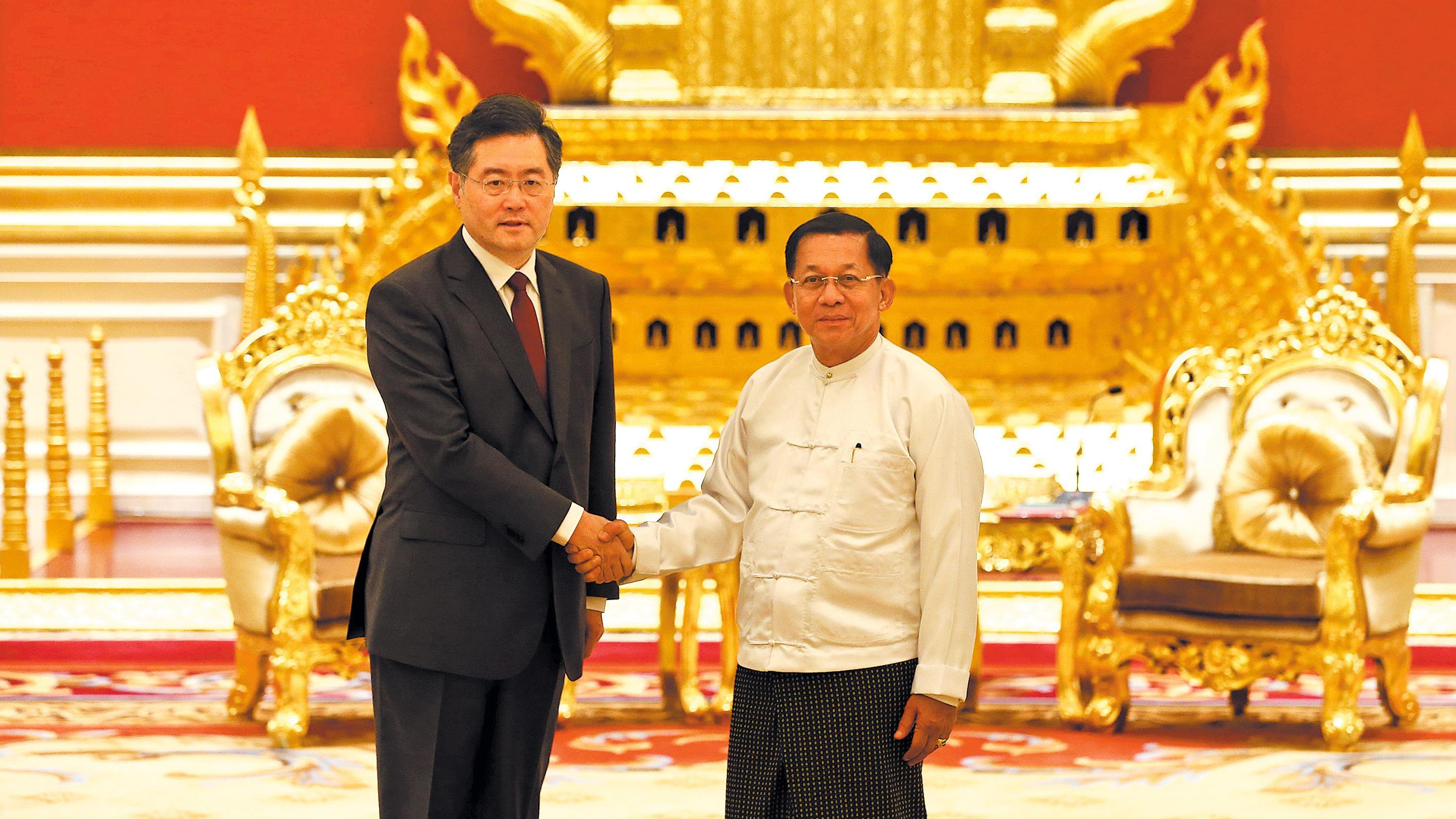
The uneven record of diplomatic successes and setbacks since the Cold War has reinforced Vietnam’s enduring faith in multilateralism as a means for navigating great-power rivalry. Recent initiatives – most notably the “Hanoi Convention” – signals a renewed and proactive effort to transform that faith into multilateral engagement.


From its founding, the Democratic Republic of Vietnam underlined multilateral diplomacy as a means of securing international recognition and political legitimacy, which it views as essential for resisting foreign intervention. Over time, this approach evolved into active participation in multilateral forums that amplified the voices of developing countries, including the Non-Aligned Movement, the Group of 77, and the United Nations.
These multilateral channels generated political legitimacy but rarely translated into tangible material or military support from non-socialist actors. As a result, Vietnam’s core security and development interests remain largely anchored in its close ties with the Socialist bloc.
As the Cold War unraveled, Vietnam was confronted with a series of diplomatic shocks that compelled its leaders to reassess the country’s longstanding foreign-policy approach. By the late 1980s and early 1990s, the collapse of the Eurasian communist bloc made strategic reorientation not only necessary and unavoidable.
During the Đổi Mới (Reform) era, Hanoi recognized that international integration would require both diplomatic normalization with former adversaries and major powers – notably the United States and China – and a firm commitment to multilateralism.
Vietnam’s leaders understood that China was a permanent geographical reality, while the United States wielded the power to shape global economic and security structures. Without opening its economy to global markets, Vietnam would have struggled to escape poverty or to build the economic and security capacity needed to shield itself from Beijing’s coercive behavior in the South China Sea.
Driven by economic development imperatives, the pursuit of political recognition, and the need to ensure regime survival and legitimacy, Vietnam has long sought to “diversify and multilateralize” its external relations. The Political Report of the Communist Party of Vietnam’s 7th National Congress in 1991 recognized, for the first time, identified engagement with multilateral organizations as a core foreign-policy objective, laying the foundation for subsequent progress.
Today, Vietnam sits at the crossroads of one of the world’s most economically dynamic yet politically diverse regions. Like many rising economies, Hanoi faces mounting pressure to avoid falling into the grip of competing major powers. At its closest doorstep, ASEAN serves as Vietnam’s primary multilateral platform and a potential buffer against external pressures. Yet, ASEAN’s structural limittions, such as the lack of joint procedures, issues concerning legal harmonization, and reliance on outdated frameworks, have become increasingly apparent. Its reliance on consensus-based diplomacy and lack of binding enforcement mechanisms have constrained collective responses to escalating risks, from the protracted crisis in Myanmar to tensions between Thailand and Cambodia.
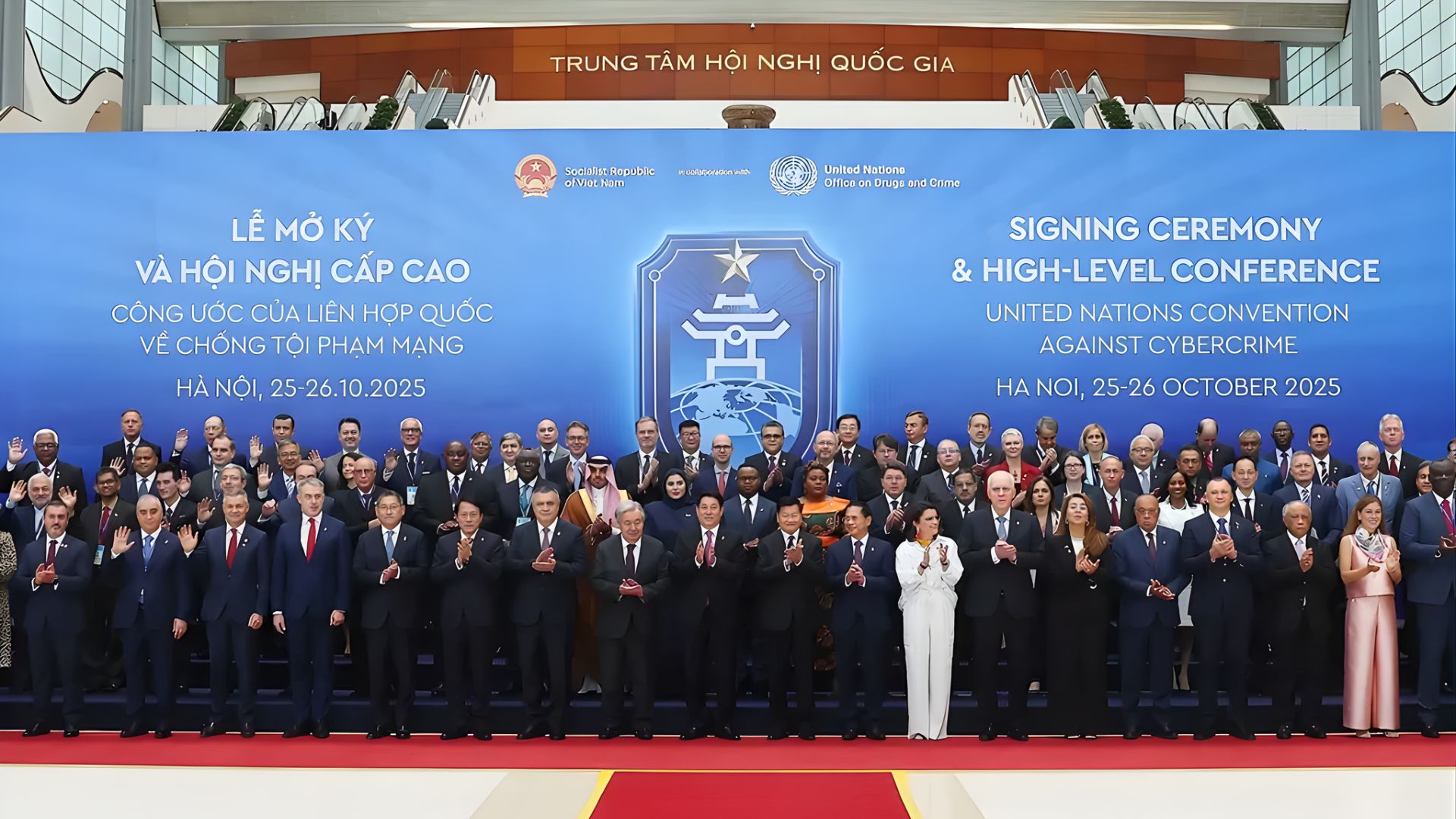
Against this context, Vietnam has stepped up efforts to shore up multilateralism. Recent initiatives illustrate Hanoi’s push to extend its multilateral engagement beyond Southeast Asia and into new domains of global governance. On 25–26 October 2025, domestic media highlighted the signing of the United Nations Convention against Cybercrime, commonly referred to as the “Hanoi Convention,” in collaboration with the United Nations Office on Drugs and Crime (UNODC).
But interpretation of the Hanoi Convention remains contested. The convention, like other initiatives, while elevating Vietnam’s multilateral profile, also exposed the difficulty of forging consensus among major powers on cybersecurity governance. Technology firms pointed to the high degree of ambiguity embedded in the draft, while critics raised concerns over Russia’s human rights record. As negotiators prioritized state security over concrete accountability mechanisms, the convention failed to secure the signature of the United States and drew criticism from the United Nations High Commissioner for Human Rights.
For decades, Southeast Asian nations have adhered to multi-alignment, recognizing that it expands strategic maneuvering space while yielding greater access to resources for domestic development. Vietnam’s approach reflects this logic through a threefold strategy: maintaining ideological and political trust with China and Russia; deepening economic integration with advanced economies; and reinforcing ASEAN-centred regionalism as a buffer against regional instability. In doing so, Hanoi seeks to navigate competing normative frameworks while preserving domestic political integrity without straying from its long-term strategic goals.
As great-power rivalry intensifies, Vietnam’s challenge is no longer whether to embrace multilateralism, but whether it can shape rules and mobilize support before the space for neutrality narrows further.
Nguyen Thanh Luan is a student in the Department of International Politics and Diplomacy at the Diplomatic Academy of Vietnam. His research interests include Indo-Pacific security issues and mainstream theories of International Relations. He can be reached at [email protected]
From its founding, the Democratic Republic of Vietnam underlined multilateral diplomacy as a means of securing international recognition and political legitimacy, which it views as essential for resisting foreign intervention. Over time, this approach evolved into active participation in multilateral forums that amplified the voices of developing countries, including the Non-Aligned Movement, the Group of 77, and the United Nations.
These multilateral channels generated political legitimacy but rarely translated into tangible material or military support from non-socialist actors. As a result, Vietnam’s core security and development interests remain largely anchored in its close ties with the Socialist bloc.
As the Cold War unraveled, Vietnam was confronted with a series of diplomatic shocks that compelled its leaders to reassess the country’s longstanding foreign-policy approach. By the late 1980s and early 1990s, the collapse of the Eurasian communist bloc made strategic reorientation not only necessary and unavoidable.
During the Đổi Mới (Reform) era, Hanoi recognized that international integration would require both diplomatic normalization with former adversaries and major powers – notably the United States and China – and a firm commitment to multilateralism.
Vietnam’s leaders understood that China was a permanent geographical reality, while the United States wielded the power to shape global economic and security structures. Without opening its economy to global markets, Vietnam would have struggled to escape poverty or to build the economic and security capacity needed to shield itself from Beijing’s coercive behavior in the South China Sea.
Driven by economic development imperatives, the pursuit of political recognition, and the need to ensure regime survival and legitimacy, Vietnam has long sought to “diversify and multilateralize” its external relations. The Political Report of the Communist Party of Vietnam’s 7th National Congress in 1991 recognized, for the first time, identified engagement with multilateral organizations as a core foreign-policy objective, laying the foundation for subsequent progress.
Today, Vietnam sits at the crossroads of one of the world’s most economically dynamic yet politically diverse regions. Like many rising economies, Hanoi faces mounting pressure to avoid falling into the grip of competing major powers. At its closest doorstep, ASEAN serves as Vietnam’s primary multilateral platform and a potential buffer against external pressures. Yet, ASEAN’s structural limittions, such as the lack of joint procedures, issues concerning legal harmonization, and reliance on outdated frameworks, have become increasingly apparent. Its reliance on consensus-based diplomacy and lack of binding enforcement mechanisms have constrained collective responses to escalating risks, from the protracted crisis in Myanmar to tensions between Thailand and Cambodia.
Against this context, Vietnam has stepped up efforts to shore up multilateralism. Recent initiatives illustrate Hanoi’s push to extend its multilateral engagement beyond Southeast Asia and into new domains of global governance. On 25–26 October 2025, domestic media highlighted the signing of the United Nations Convention against Cybercrime, commonly referred to as the “Hanoi Convention,” in collaboration with the United Nations Office on Drugs and Crime (UNODC).
But interpretation of the Hanoi Convention remains contested. The convention, like other initiatives, while elevating Vietnam’s multilateral profile, also exposed the difficulty of forging consensus among major powers on cybersecurity governance. Technology firms pointed to the high degree of ambiguity embedded in the draft, while critics raised concerns over Russia’s human rights record. As negotiators prioritized state security over concrete accountability mechanisms, the convention failed to secure the signature of the United States and drew criticism from the United Nations High Commissioner for Human Rights.
For decades, Southeast Asian nations have adhered to multi-alignment, recognizing that it expands strategic maneuvering space while yielding greater access to resources for domestic development. Vietnam’s approach reflects this logic through a threefold strategy: maintaining ideological and political trust with China and Russia; deepening economic integration with advanced economies; and reinforcing ASEAN-centred regionalism as a buffer against regional instability. In doing so, Hanoi seeks to navigate competing normative frameworks while preserving domestic political integrity without straying from its long-term strategic goals.
As great-power rivalry intensifies, Vietnam’s challenge is no longer whether to embrace multilateralism, but whether it can shape rules and mobilize support before the space for neutrality narrows further.
Nguyen Thanh Luan is a student in the Department of International Politics and Diplomacy at the Diplomatic Academy of Vietnam. His research interests include Indo-Pacific security issues and mainstream theories of International Relations. He can be reached at [email protected]
Từ khoá: multilateralism Vietnam’s foreign-policy Hanoi Convention